Modified Approach To Concrete Proportioning!
The generic nomenclature lightweight aggregate is lighter than rock aggregates inclusive of gravel, sand as well as crushed stones. Aggregates are classified according to bulk specific gravity as:
- lightweight
- normal weight
- heavyweight
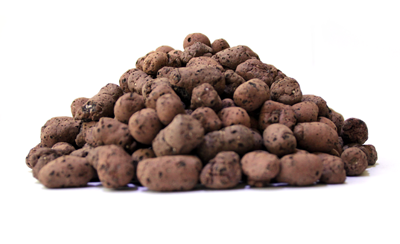
Aggregates are classified according to grain size. The two types are fine and coarse. Sand is an example of fine aggregate. Generally, lightweight aggregate is manufactured from clay, slate, and shale.
Lightweight aggregates are used for cocooning fill in the hollow of concrete stonework such as pavement, underground parking garages, etc. The bare surfaces are crevice free. It is used once sewer and water lines are laid out. It prevents frost seepage. This aggregate absorbs water and is utilized in horticulture. Its low density makes it useful in shipbuilding.
Manufacturing process
The manufacturing process begins with enlarging the raw material two times its natural volume. This is less dense and produces less heavy concrete item. The manufacture happens:
- Mining and quarrying of basic material
- The material crushed through cone crushers, hammermills, pugmills, jaw crushers
- The product obtained is screened for size
- Oversized again goes through the process
- The material goes to hoppers
- Then it reaches rotary kiln ignited through coal, natural gas, fuel oil, coke. The temperature is 1200 degree centigrade.
- Gas bubbles are formed which leads to expanded clinkers
- Conveyer belt leads them to cooler. Cooled by air
- Lightweight aggregate selected on the basis of size. Bigger ones crushed again.
Lightweight expanded clay aggregate or LECA is bloated plastic clay with low lime content prepared when the clay is dried, heated and burned at 1200 degree centigrade within the rotary kiln. The material takes on honeycomb configuration, making it lightweight, and thermal. It takes on the on round shape with varying dimension and densities. It is also called clay pebble and clay pellets.
LECA is widely used for new buildings, upkeep of historical structures and residential and commercial renovation work. It is so because clay aggregate is an enduring, lasting, and good explanation to many demands encountered by gardeners for indoor and outdoor plants.
Advantages of LECA!
- It is light in weight and easy to handle.
- Thermally insulating so alternate insulator not needed
- As the shape is circular, it does not cause breakage in ducts, pipes, etc
- It is economical in time and cost
Thus, it has a wide range of uses.
© Copyright expandedclayaggregate